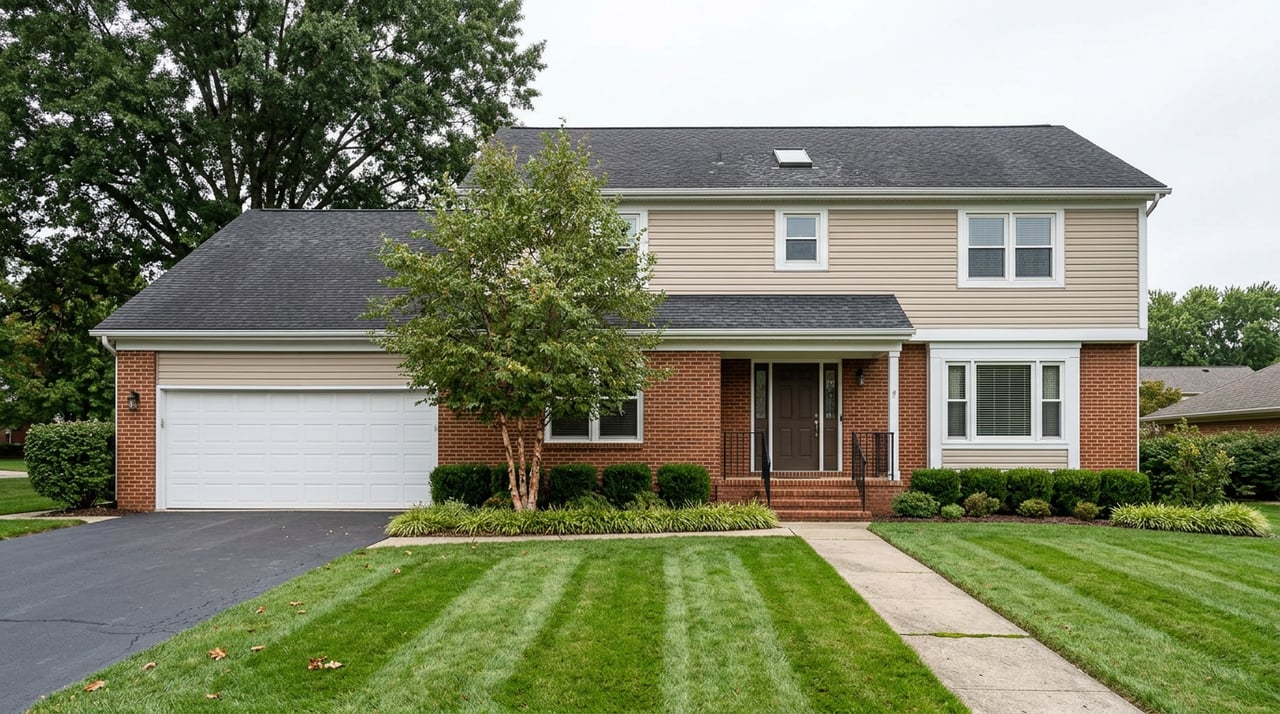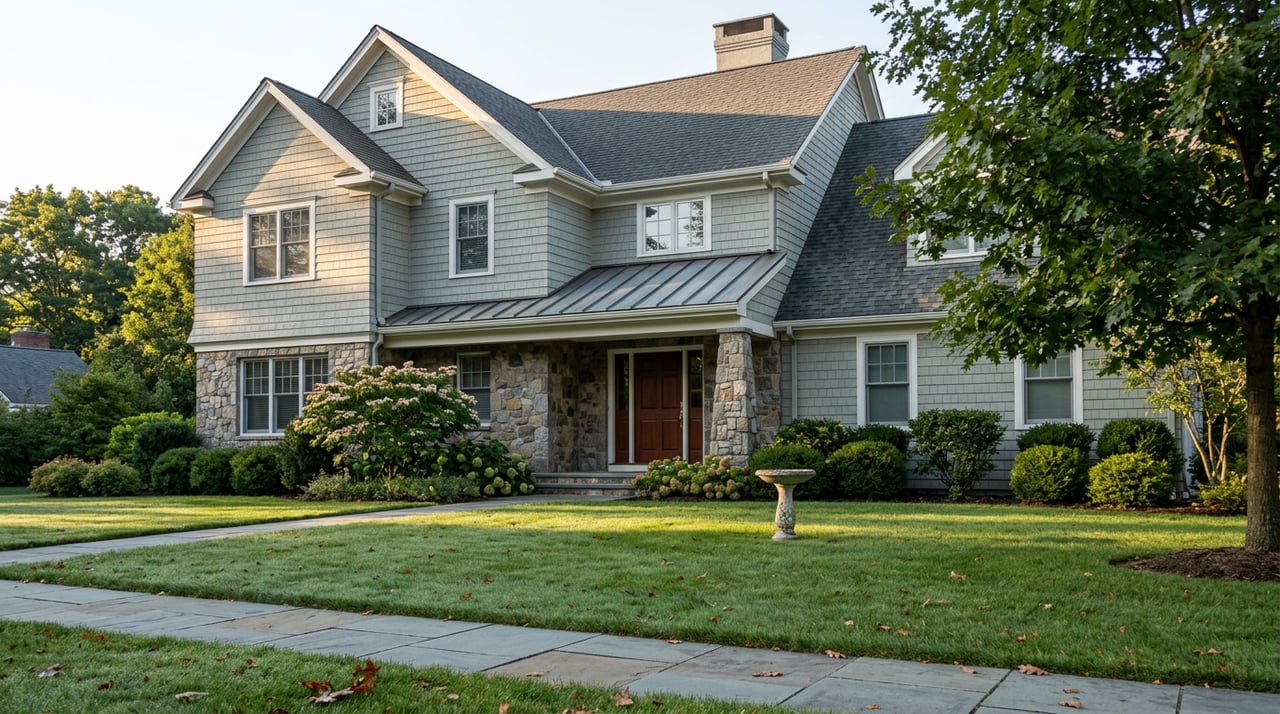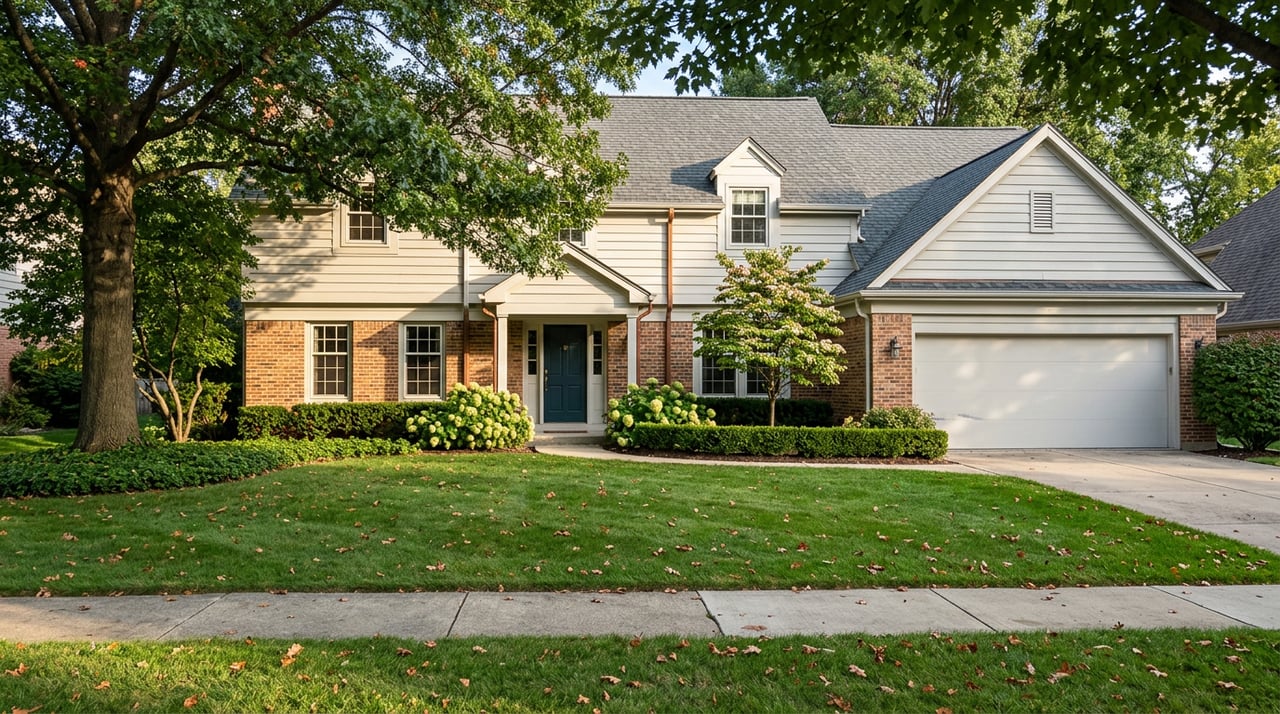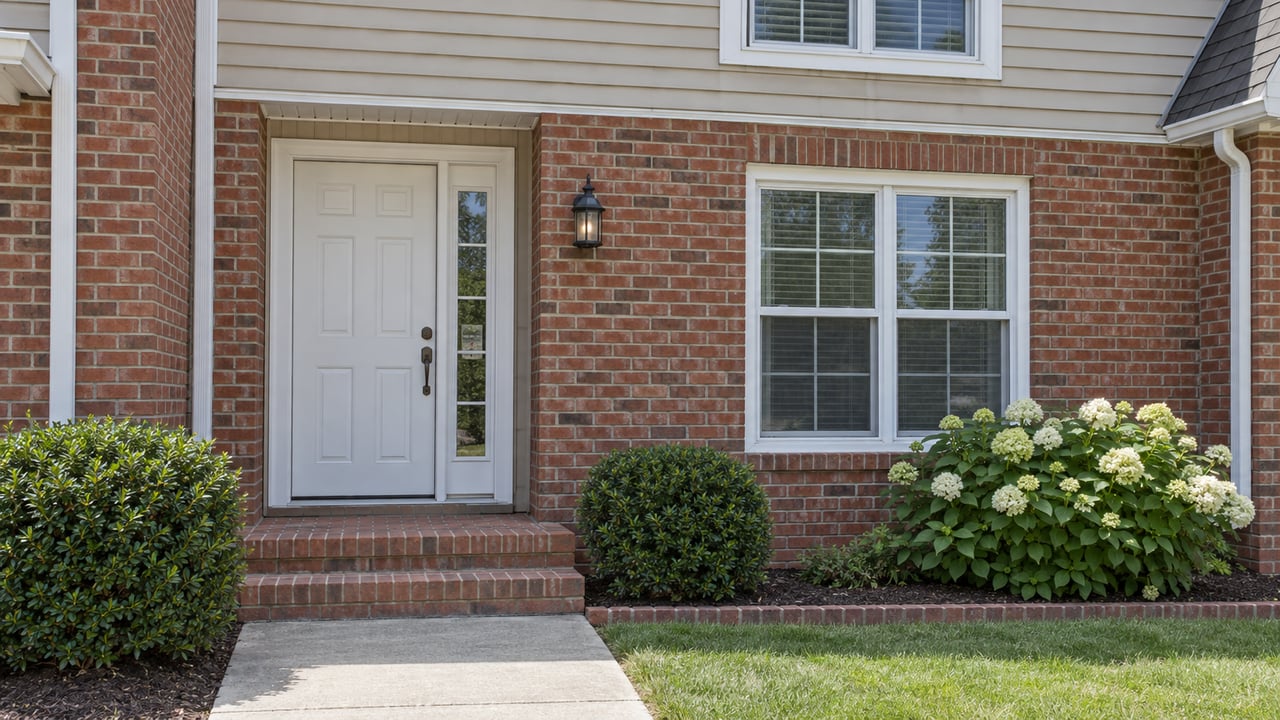
Statewide condo and townhouse data out of New Jersey earlier this year read like good news for buyers. Closed sales in the segment fell 17.4 percent year over year as of February 2026. The median price barely moved, up just 0.1 percent to $407,792. Days on market stretched 16.3 percent longer, to 50 days. The story was simple: rising mortgage rates, climbing property taxes, and HOA fees pushed up by insurance costs and reserve requirements had caught up with the first-time buyers and downsizers who lean on attached housing to stay in budget.
Morris County's own townhouse-condo numbers tell a different story. In March 2026, the segment's median sale price climbed 12 percent year over year to $560,000. By April, it had climbed further, up 14.4 percent to $555,000, with days on market falling 20 percent and homes selling at 103.1 percent of list price. Parsippany, sitting in the middle of that county, closed August 2026 with a townwide median sale price of $789,478, up 13.6 percent year over year, and a median time on market of 17 days, down from 26 days the year before.
None of that reads like an affordability ceiling. Part of what's keeping the entry-level end of Parsippany's attached housing competitive is a specific threshold: townhouses and condos here priced under $450,000 fall within the down payment assistance cutoff set by the New Jersey Housing and Mortgage Finance Agency, the same cutoff that applies in Dover and Rockaway. That program widens the buyer pool at exactly the price point where the statewide segment is supposed to be softening.
That gap, between what the state data says and what Morris County's townhouse and condo buyers are actually experiencing, matters most in the exact window buyers tend to rush through: the days between an accepted offer and the request for the association's financial documents.
The Communities Behind the Numbers
Parsippany's attached housing stock isn't one product. Mazdabrook Commons, off Smith Road and Mazdabrook Road, is a roughly 222-unit townhome community built between 2002 and 2004. It's structured as a homeowners association rather than a condominium association, which means each owner is responsible for both the interior and exterior of their own unit, rather than the association handling exterior maintenance the way a true condo association typically does. Forge Pond and Watersedge at Parsippany are separate townhome communities elsewhere in town. PARQ, near Routes 287 and 80, markets itself as a newer, upscale attached community. Sterling Mist and Four Seasons at Troy Hills are age-restricted 55-and-over communities, Sterling Mist built between 2002 and 2006 with 28 homes.
Those distinctions aren't paperwork trivia. They determine which documents exist, who holds them, and how fast a buyer's attorney can get a straight answer before the closing date arrives.
The Certificate New Jersey Actually Requires
Buyers who've purchased in states with a standardized condo resale package sometimes assume New Jersey works the same way. It doesn't. New Jersey has no omnibus resale certificate law. What it has is narrower: the Condominium Act generally requires an association to furnish a certificate of unpaid assessments within 10 days of a written request from an owner, purchaser, or lienholder. There's no statutory mandate for a bundled package covering reserves, litigation, or insurance, though many associations compile one anyway as standard practice.
The Planned Real Estate Development Full Disclosure Act, the other major piece of New Jersey's common-interest housing law, is aimed at developers, not resales. It governs the public offering statement a developer files with the state when a community is first built and registered. It has nothing to say about what a seller owes a buyer the second or fifth time a unit changes hands.
The certificate that does exist carries real weight. New Jersey treats association debt as running with the property. If a seller is behind on dues or has an outstanding violation, that obligation transfers to the buyer at closing unless it's caught and resolved first, whether that's $500 or $5,000. Association assessment liens also carry a limited but real priority: six months of unpaid assessments can outrank even the first mortgage on the property, provided the lien was recorded before a foreclosure action starts and within 60 months of that recording. That priority window is one more reason the certificate matters before the closing date rather than after.
Why the Timing Usually Fails
Property managers who process these requests report a consistent pattern in what goes wrong. Sellers wait too long to request the certificate. The information that does come back is out of date. The association or its management company simply doesn't respond inside the 10-day window. Every one of those failure points becomes more likely, not less, in a market where homes are going under contract in 17 days instead of 26.
A faster market compresses everything around it. Buyers competing for a limited number of listings have less appetite to slow down and request full financials before making an offer, and once under contract, both sides are working against a closing date set with the market's current pace in mind, not the association's response time. The 10-day statutory clock doesn't pause because a closing is scheduled for day 12.
Sellers in a PUD-style HOA like Mazdabrook Commons face a related wrinkle. Because owners handle their own exterior maintenance rather than the association assuming that role, the certificate a buyer requests there answers a narrower set of questions than the same request at a true condominium association elsewhere in town. A buyer's attorney who assumes every Parsippany attached-home purchase involves the same document, covering the same scope, is working from the wrong assumption.
What to Request, and When
Buyers under contract on a Parsippany townhouse or condo, and the sellers preparing to list one, both benefit from treating the certificate request as a day-one task rather than a step to handle once other contingencies clear.
- Confirm whether the community is legally a condominium association or a homeowners association or PUD. That determines which statute governs the request and what the association is responsible for maintaining.
- Request the certificate of unpaid assessments in writing immediately after signing, not after inspection or mortgage contingencies are satisfied.
- Ask directly about any special assessments approved but not yet billed, and about the association's most recent reserve study if one exists.
- Get a copy of the current insurance summary so a buyer's own policy can be scoped correctly before closing.
- If the community carries an occupancy restriction, like the 55-and-over rule at Sterling Mist or Four Seasons at Troy Hills, confirm those terms apply to the buyer's intended use before the attorney review period ends.
None of this requires a lawyer to walk through the entire Condominium Act. It requires treating New Jersey's 10-day statute as a floor, not a guarantee, in a market where the calendar between offer and closing keeps getting shorter.
Questions Buyers Ask Before Signing
Does New Jersey require a full HOA resale package before closing? No. State law requires only a certificate of unpaid assessments, furnished within 10 days of a written request. A fuller package covering reserves, insurance, and litigation is common association practice, not a statutory requirement.
Who usually pays for the certificate? In most cases the seller covers the cost, though it can be negotiated as part of the purchase contract.
What happens if the association misses the 10-day deadline? The statute sets the clock, but it doesn't automatically extend a closing date. Buyers and their attorneys typically need to negotiate a delay directly with the seller if the association is slow to respond.
Is a PUD community like Mazdabrook Commons the same as a condo association for document purposes? No. A PUD-style homeowners association covers common areas like a pool or landscaping, while owners remain responsible for their own unit's exterior. A true condominium association typically covers building exteriors as part of common expenses. The certificate request looks the same on paper, but what it actually confirms differs by community type.
Buying or selling a townhouse or condo in Parsippany comes with more moving pieces than the median price ever shows. Anne Henderson works through the community-specific paperwork, the statutory deadlines, and the timing a fast market doesn't leave room for. Request a complimentary home valuation to start the conversation before the calendar starts working against you.