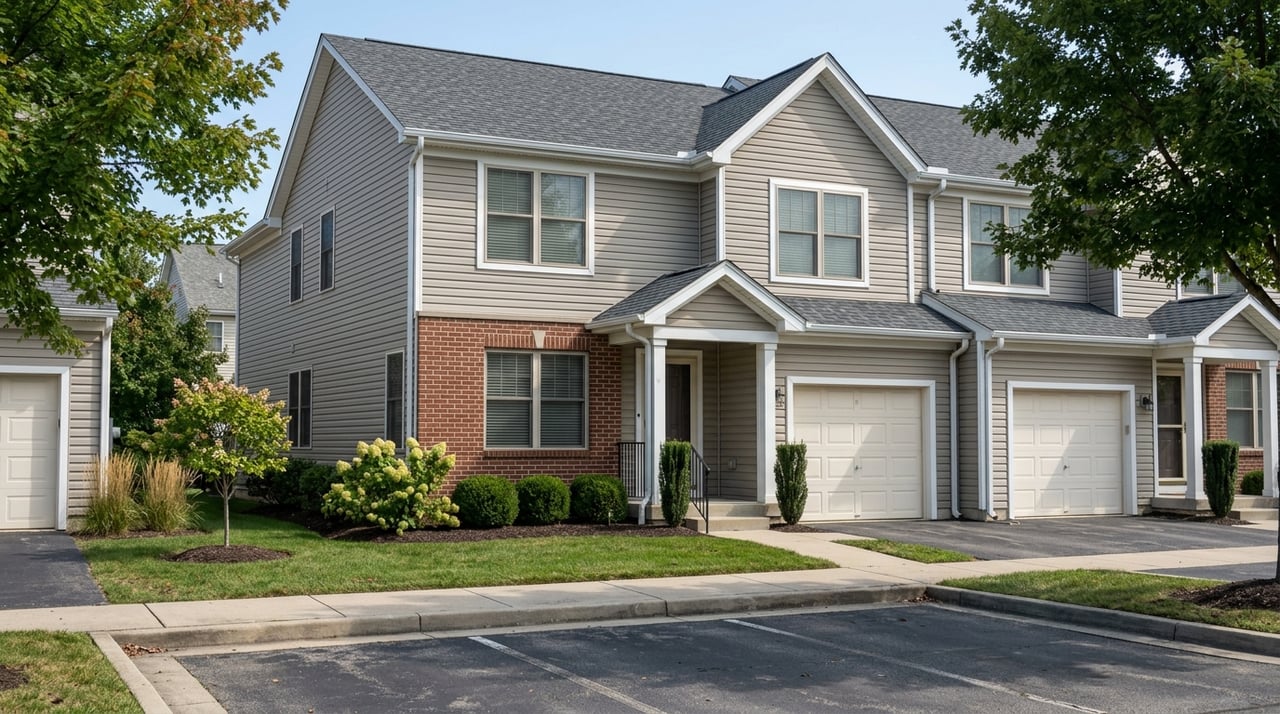
Wondering whether HOA living in Parsippany will make your life easier or add a layer of complexity? If you are shopping for a condo or townhome, that question matters just as much as price, layout, and location. The good news is that once you understand how HOA fees, rules, and records work in New Jersey, you can compare communities with much more confidence. Let’s dive in.
Why HOA life matters in Parsippany
Parsippany has an active market for attached homes, so HOA questions come up often when you look at condos and townhomes. In this part of Morris County, many buyers are weighing convenience, shared maintenance, and monthly costs as part of the overall decision.
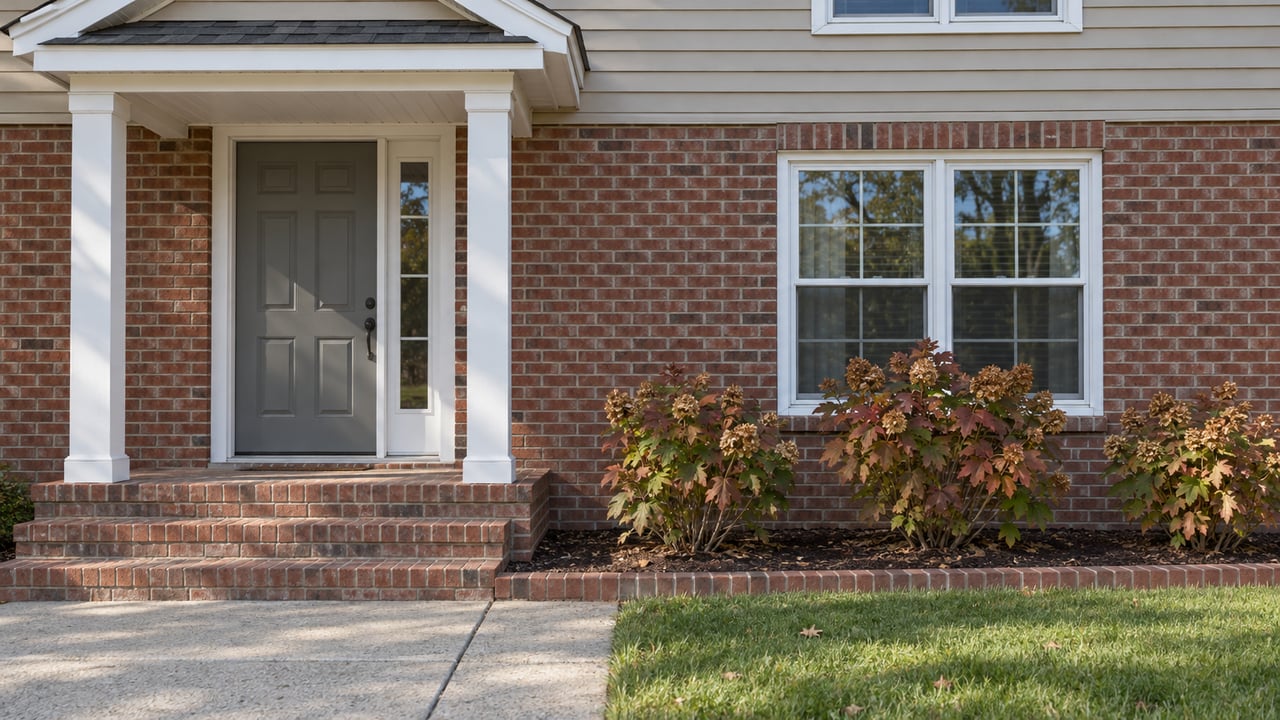
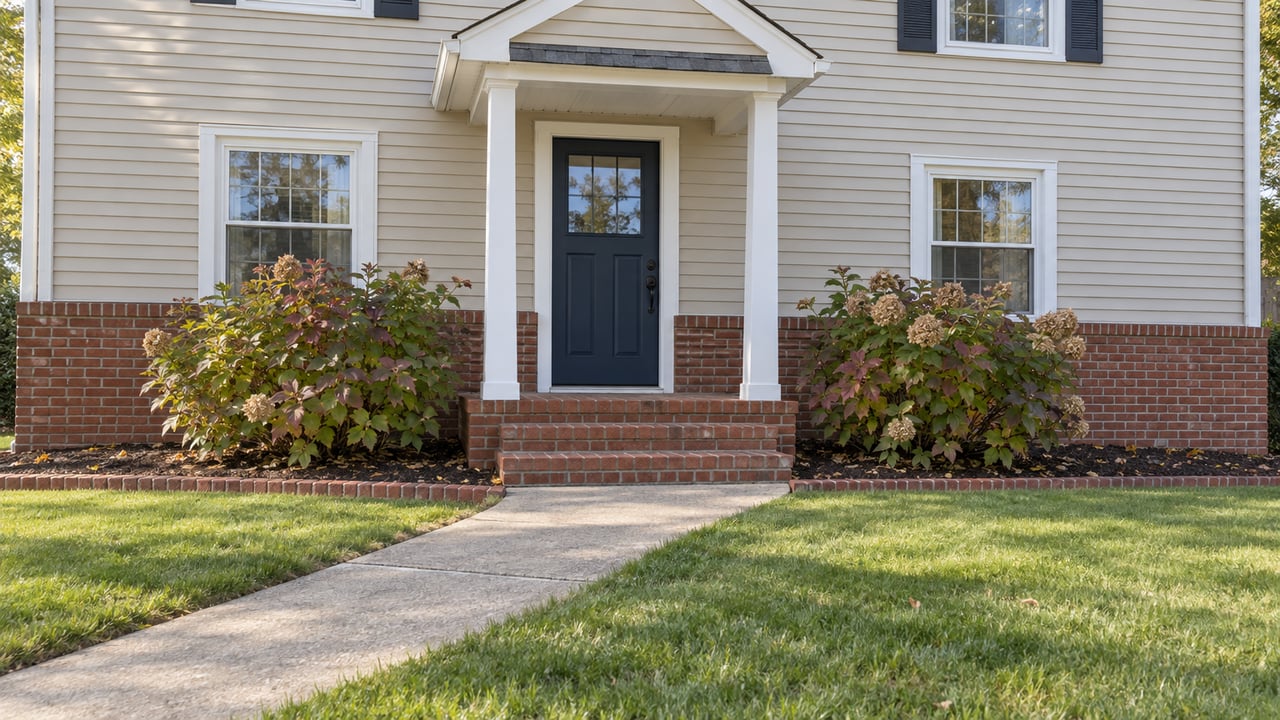
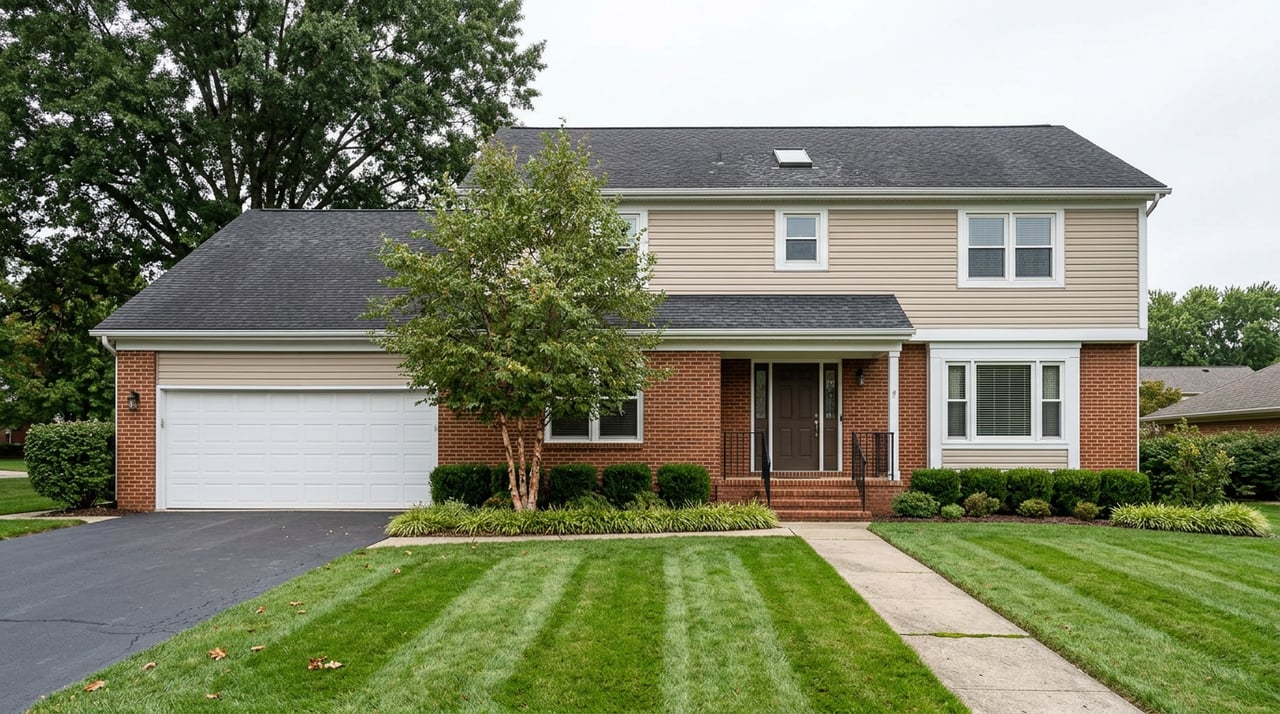
One of the biggest things to know is that the legal structure matters more than how the home looks from the street. A property that looks like a townhouse may still be governed like a condominium under its recorded master deed and bylaws. That is why you should always verify the governing documents instead of assuming the exterior style tells the whole story.
What an HOA typically covers
In New Jersey, HOA dues are tied to shared expenses defined in the community’s governing documents and state law. Common elements can include roofs, halls, stairways, elevators, entrances, and other shared areas. Common expenses can include administration, maintenance, repairs, replacement, and other costs that the master deed or bylaws make common.
That means your monthly payment is not just a random extra bill. It is typically the way the association funds the upkeep and operation of the parts of the property that owners share. In some communities, that may cover basic exterior maintenance. In others, it may also include utilities or amenities.
HOA fees in Parsippany can vary a lot
One of the most important takeaways for buyers is that HOA dues are not standardized. Recent public listing examples in and around Parsippany show monthly fees ranging from about $116 to $569.
Here is a snapshot of how wide that range can be:
| Example property | Monthly fee | Notes from public listing |
|---|---|---|
| 79 Rhyan Dr | $116 | Monthly maintenance expense listed |
| 39 Autumn Ridge Rd | $135 | Low HOA fee listed |
| 90 Crown Point Rd | $325 | Clubhouse and pool noted |
| 2350 Route 10 Unit A26 | $338 | Heat, common-area and structure maintenance, sewer, snow removal, trash, and water included |
| 2467 Route 10 Bldg 28-4A | $569 | Heat, water, sewer, trash, and more included |
A lower monthly fee is not automatically the better deal. Lower dues may mean fewer services are included, while higher dues may reflect utilities, exterior work, amenities, or stronger reserve funding. When you compare communities, it helps to look beyond the number and ask what you are actually getting.
HOA dues are separate from property taxes
This catches some buyers by surprise. In New Jersey, property taxes are assessed to each unit separately, not to the condominium property as a whole. That means your housing budget should usually account for mortgage, property taxes, and HOA dues as separate line items.
If you are comparing a condo or townhome to a single-family home, keep that full monthly picture in mind. A community with dues may still fit your budget well, especially if it reduces some maintenance responsibilities, but you want to compare total carrying costs, not just the list price.
What New Jersey law says associations must do
New Jersey gives associations clear responsibilities. Associations are generally responsible for maintaining common elements, collecting assessments, adopting and enforcing rules, keeping insurance in place for common elements and liability, and maintaining accounting records.
The law also requires open board meetings for binding votes, minutes to be taken, and minutes to be made available to owners before the next open meeting. There must also be an annual meeting, a posted open-meeting schedule, and advance notice for meetings where binding votes will be taken. For buyers, that matters because it gives you a framework for how transparent and organized a community should be.
What happens when you buy
Once title transfers, you become a member of the association. At that point, the rules, budgets, and obligations of the community become part of your day-to-day ownership experience.
If you are looking at a newer community, there is one more layer to check. While a developer still controls the board, annual budgets must include operating costs, deferred maintenance, and replacement reserves, and an independent annual audit is required. That makes it especially important to ask whether turnover has happened yet and what records are available.
Rules can affect everyday living
Most buyers expect some rules, but the details matter. New Jersey associations may adopt and enforce reasonable rules and fines, so community rules may address parking, pets, rentals, storage, exterior changes, deck or patio use, quiet hours, and move-in procedures.
That does not mean every community has the same rules. It means you should read the actual documents for the specific property you are considering. If fines are authorized by the governing documents, the owner must receive written notice and notice of the dispute-resolution process.
Watch for special charges at closing
Monthly dues are not always the only HOA cost. Some associations may charge a capital contribution, membership fee, transfer fee, or move-in-related charge at closing if the governing documents allow it.
Under New Jersey law, a capital contribution or resale fee that is authorized by the governing documents is capped at nine times the most recent monthly common expense assessment. This is one of those details you want to know before you make an offer, not after you are already deep into the transaction.
Why reserves and financial records matter
A well-run association does more than pay today’s bills. It also plans for future repairs and replacements. That is why a low fee can sometimes be less reassuring than it looks if the reserve funding is weak.
Owners in New Jersey have access to accounting records at reasonable times, and the state can enforce that right. For buyers, this makes due diligence more practical. Instead of guessing, you can review the community’s financial health through the documents.
Smart documents to review before buying
If you are serious about a Parsippany condo or townhome, ask for a clear document package early. The most useful items usually include:
- The current budget
- The reserve study
- Recent financial statements
- Recent meeting minutes
- Information about delinquencies or liens
- Information about major repairs or capital projects
- The master deed and bylaws
- Any rules and regulations currently in effect
For newer communities, also ask:
- Whether the developer still controls the board
- When owner turnover is expected
- Whether annual audits have been delivered to owners
These records can help you understand whether the community is planning well or simply reacting to problems as they come up.
Questions to ask before making an offer
When buyers feel rushed, HOA review can become an afterthought. It should not be. A few well-placed questions can tell you a lot about how the community functions.
Consider asking:
- What does the monthly fee include?
- When was the last dues increase?
- Have there been any special assessments in the past 3 to 5 years?
- Is there a current reserve study, and when was it last updated?
- Are there any pending lawsuits, liens, or major capital projects?
- Are there rental caps, pet rules, parking restrictions, or approval steps?
- Is any capital contribution, transfer fee, or move-in fee due at closing?
- What insurance does the association carry, and what is the owner expected to insure separately?
These questions can help you compare communities in a more realistic way. They also help you avoid focusing too narrowly on the monthly dues alone.
The real goal: fit, not just fees
In Parsippany, the best attached-home choice is not simply the one with the lowest HOA number. It is the one where the rules, reserve funding, fee structure, and maintenance approach fit your budget and your lifestyle.
For some buyers, predictable shared maintenance and bundled services are a major plus. For others, more control and fewer community rules may matter more. The key is understanding what you are buying into before you commit, so there are fewer surprises after closing.
If you are comparing condos and townhomes in Parsippany and want help looking past the listing sheet, Anne Henderson can help you ask the right questions and evaluate each community with confidence.
FAQs
What does an HOA fee usually cover in a Parsippany condo or townhome?
- It depends on the community, but fees may help pay for shared maintenance, administration, repairs, insurance for common elements and liability, and sometimes utilities or amenities.
Are HOA fees in Parsippany separate from property taxes?
- Yes. In New Jersey, property taxes are assessed to each unit separately, so you should budget for taxes and HOA dues as separate costs.
Can a townhouse in Parsippany be legally treated like a condo?
- Yes. In New Jersey, the recorded master deed and bylaws determine the legal structure, so a townhouse-style home may still be governed as a condominium.
What HOA documents should buyers review for a Parsippany property?
- Buyers should review the budget, reserve study, recent financial statements, meeting minutes, governing documents, current rules, and any information about liens, delinquencies, or major repairs.
Can a New Jersey HOA charge fees at closing?
- Yes. Some associations may charge a capital contribution, resale fee, or similar charge if the governing documents allow it, and New Jersey law caps certain charges at nine times the monthly common expense assessment.
What rules should buyers expect in a Parsippany condo or townhome community?
- Rules vary by community, but they may address parking, pets, rentals, storage, exterior changes, patio or deck use, quiet hours, and move-in procedures.