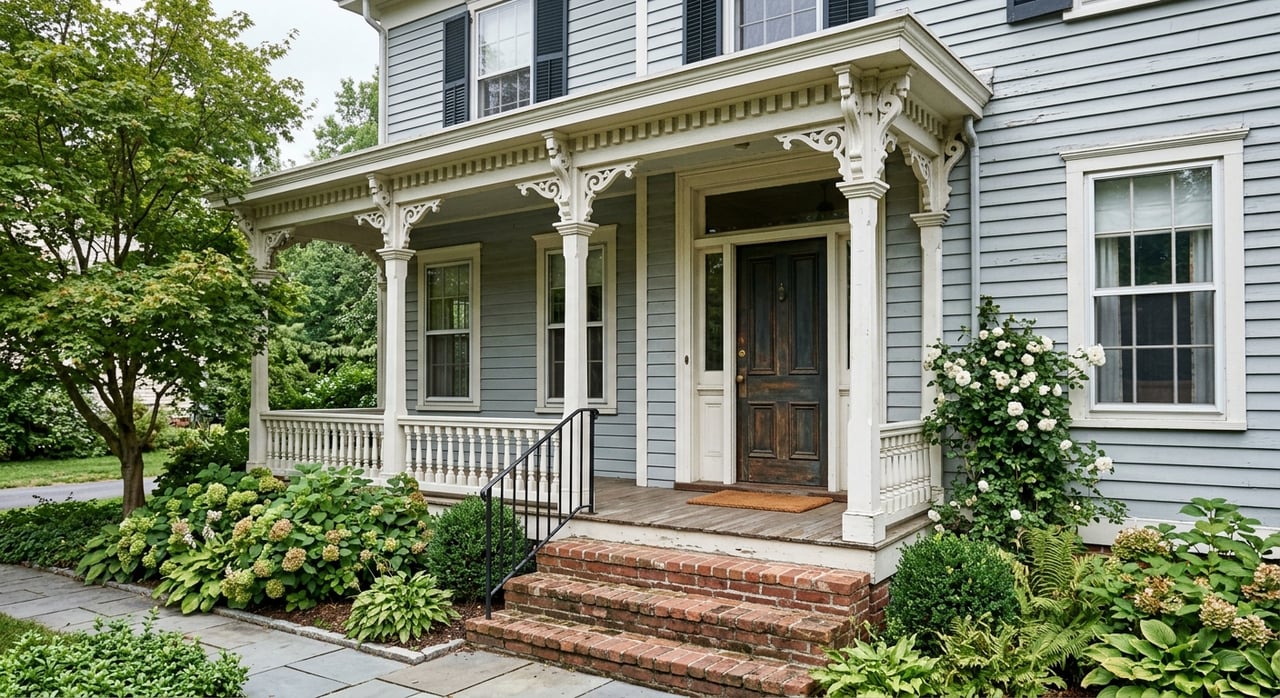
Looking at an older home in Boonton and wondering whether the charm is worth the extra homework? That is a smart question to ask. If you are considering a historic home here, you need more than a standard house-hunting checklist. You need to understand how Boonton’s age, local historic rules, and repair realities can shape your purchase from day one. Let’s dive in.
Why Boonton Has So Many Older Homes
Boonton is not a town where historic housing is unusual. It is part of the local fabric. The town’s roots go back to the mid-1700s, with growth tied to the Rockaway River, ironworks, and the Morris Canal before Boonton was incorporated in 1867.
That history shows up clearly in today’s housing stock. A 2025 draft town housing element using 2023 ACS data reports 3,757 housing units in Boonton, with 59.2% built before 1960 and 34.3% built in 1939 or earlier. If you are shopping here, older homes are a meaningful part of the market, not a rare find.
What “Historic” Can Mean in Boonton
Not every older home is regulated the same way. In Boonton, historic status can involve local preservation districts, a registered historic site, and the town’s regular zoning rules all at once.
The zoning code identifies four local historic preservation districts: Ironworks Industrial, Ironworks Residential, Main Street Commercial, and Rockaway Street Residential. There is also a historic site at the train station. A New Jersey Highlands Council profile says Boonton has six officially recognized historic districts covering about 434 acres, or 27% of the town’s land area.
That is why you should verify the exact parcel overlay with the town early in your search. Do not assume a property’s status based on the street name or the look of the house from the curb.
What Boonton Historic Homes Often Look Like
Boonton’s historic properties are not all one style. The town’s historical society highlights buildings that blend Colonial Revival and Victorian Gothic details, while the Main Street design guide describes many downtown buildings as one to three stories, two to three bays wide, and mostly brick, with some wood-frame structures mixed in.
For you as a buyer, that usually means older proportions, original materials, and details that differ from newer suburban homes. If you are used to larger, more contemporary layouts, it helps to expect a different scale and rhythm in these homes and storefront buildings.
Why Exterior Changes Need Extra Planning
One of the biggest surprises for buyers is that historic ownership can affect what happens after closing, especially outside the home. Boonton’s rules are preservation-minded, but they do allow updates when the work stays compatible with the building and district.
The local ordinance says deteriorated historic features should be repaired rather than replaced when possible. If replacement is necessary, materials should match the original in composition, design, color, texture, and visual qualities. Contemporary additions may be allowed, but they need to fit the size, scale, color, material, and character of the existing building and district.
The practical takeaway is simple: if you already have renovation plans, confirm whether they involve visible exterior changes before you buy. A project that seems straightforward on paper may require extra review in a historic area.
Check Historic Approvals Before You Renovate
In Boonton, permits and historic approvals are not always the same thing. The town’s permit chart shows that some work items are simple permit matters, while more substantial work, such as roof replacement, requires a construction permit.
For properties in a historic district or at a registered historic site, there can be additional steps. The town’s historic application states that no exterior work changing a historic site’s appearance and visible from a public street may begin until Historic Preservation Commission approval is obtained, even if no other approvals are required.
That timing matters if you want to replace windows, change siding, alter a porch, build an addition, or make other visible updates soon after closing. It is wise to build extra time into your plans rather than assuming you can start right away.
Focus on Condition, Not Just Age
A lot of buyers worry that an older home will automatically be harder to finance. In many cases, age by itself is not the real issue. Condition is usually what matters most.
HUD says FHA properties must be safe, sound, and secure, and appraisals identify visible deficiencies. HUD also says borrowers should still get an independent, detailed home inspection. Fannie Mae guidance similarly focuses on condition and marketability, and notes that even an older property can meet expectations if it has been completely renovated.
That means your attention should stay on the home’s actual condition, not just the year it was built. A well-maintained older house may be a better purchase than a newer-looking home with deferred repairs hiding beneath the surface.
Make the Inspection Period Count
When you buy a historic home in Boonton, your inspection period should do more than flag cosmetic issues. Older homes often have layered repairs from different eras, and that can make hidden conditions easier to miss during a showing.
A full home inspection is especially important here. Depending on the property, you may also want specialist evaluation or testing for materials and systems that are more common in older homes.
Boonton’s design guide also notes that restoring a historic building is usually more expensive than keeping it in good repair. For you, that supports a bigger maintenance contingency and a more cautious view of deferred maintenance.
Be Aware of Lead Paint Rules
If the home was built before 1978, lead paint should be part of your due diligence. EPA says sellers, landlords, real estate agents, and property managers must disclose known lead-based paint information before most sales or leases of housing built before 1978.
EPA also says buyers must receive the federal lead pamphlet and get a 10-day opportunity for a lead inspection unless that right is waived. If you plan renovation work after closing, EPA recommends lead-safe certified contractors and lead-safe work practices for renovation, repair, and painting projects in pre-1978 homes.
This does not mean every older home is unsafe. It means you should go in informed, ask the right questions, and plan responsibly if work will disturb painted surfaces.
Understand Asbestos Risk During Renovation
Asbestos is another issue that may come up in older housing, especially when materials are damaged or will be disturbed. EPA says suspect materials can include old floor tile, ceiling tile, pipe wrap, shingles, siding, and similar products.
The key point is that appearance alone cannot confirm whether a material contains asbestos. EPA says the only reliable way to know is to have the material sampled by a trained professional when needed.
If you are buying with plans to remodel, this matters a lot. A project budget that looks manageable at first can change if older materials need professional evaluation or specialized handling.
Set a Realistic Budget for Ownership
Historic homes can offer character that is hard to duplicate, but they often ask more of you as an owner. In Boonton, the combination of older housing stock and preservation-minded standards means you should budget with discipline.
That includes room for:
- routine maintenance
- specialized repairs when original features are involved
- possible testing for lead or asbestos before renovation
- permit and approval timing for visible exterior work
- a reserve for hidden conditions uncovered after move-in
If you plan well, these costs are easier to manage. If you stretch your budget too tightly just to win the house, the ownership experience can become stressful fast.
Keep Tax Credit Expectations Grounded
Some buyers assume any historic home comes with major tax incentives. That is not always true, especially for owner-occupied homes.
According to the National Park Service, the federal rehabilitation credit is a 20% credit for certified historic structures used for income-producing purposes. Owner-occupied residential properties do not qualify.
If you are buying a single-family primary residence in Boonton, you should not count on a federal historic-rehab credit. If the property is mixed-use or intended for rental income, separate tax guidance may be worth exploring.
Smart Questions to Ask Before You Buy
Before you move forward on a historic home in Boonton, try to answer these questions as early as possible:
- Is the property in a local historic district or at a registered historic site?
- What exterior changes, if any, did the current owner make?
- Were permits or Historic Preservation Commission approvals required?
- Are there signs of deferred maintenance on roofing, windows, masonry, siding, or porches?
- Does the home’s age suggest possible lead paint concerns?
- Will planned renovations disturb older materials that may need asbestos evaluation?
- Is your budget strong enough for both purchase costs and ongoing upkeep?
These questions can help you separate a rewarding historic purchase from a home that may demand more time, money, and patience than you want to commit.
Why Local Guidance Matters
Buying a historic home is different from buying a more typical suburban property. In Boonton, you are not just evaluating square footage and finishes. You are also weighing condition, preservation rules, and the likely pace of future improvements.
That is where local context matters. When you understand the town’s housing stock, approval process, and maintenance realities upfront, you can make a more confident decision and avoid surprises later.
A historic home in Boonton can be a wonderful fit if you love character and plan carefully. If you want help evaluating homes, understanding the local market, and approaching the process with clear eyes, Anne Henderson is here to guide you.
FAQs
What makes Boonton a strong market for historic homes?
- Boonton has a large share of older housing, with 59.2% of homes built before 1960 and 34.3% built in 1939 or earlier, according to the town’s 2025 draft housing element using 2023 ACS data.
How can you tell if a Boonton home is in a historic district?
- You should verify the exact parcel overlay with the town, because district boundaries and property status should not be assumed from the street name or a home’s appearance.
What approvals might a Boonton historic home need for exterior work?
- If exterior work changes the appearance of a historic site and is visible from a public street, Historic Preservation Commission approval may be required before work begins, even when no other approvals are needed.
What should buyers inspect carefully in an older Boonton home?
- You should focus on overall condition, deferred maintenance, major systems, and whether renovation plans may require added testing or specialist review for older materials.
What should buyers know about lead paint in a Boonton home built before 1978?
- EPA rules require disclosure of known lead-based paint information for most pre-1978 homes, delivery of the lead pamphlet, and a 10-day opportunity for a lead inspection unless that right is waived.
What should buyers know about asbestos in older Boonton homes?
- Older materials such as floor tile, ceiling tile, pipe wrap, shingles, or siding may raise concern, and EPA says trained professionals should sample suspect material if it is damaged or will be disturbed during renovation.
Do owner-occupied historic homes in Boonton qualify for the federal rehabilitation tax credit?
- No. The National Park Service says the federal rehabilitation credit applies to certified historic structures used for income-producing purposes, not owner-occupied residential properties.