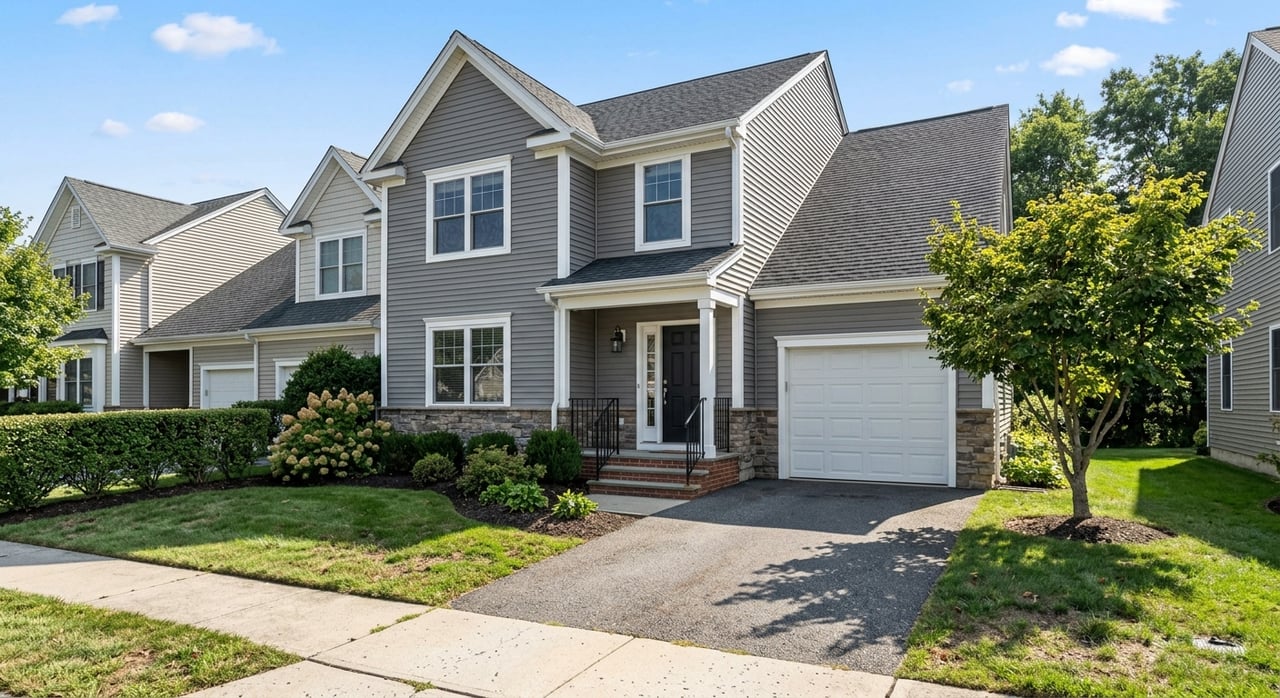
If you have started looking at homes in Denville, you have probably noticed something quickly: one part of town can feel very different from another. A house near a lake, a street close to downtown, and an inland neighborhood can all offer a distinct day-to-day experience. This guide will help you understand how Denville’s neighborhoods and home styles vary, what those differences can mean for your search, and how to narrow in on the right fit for your lifestyle. Let’s dive in.
Why Denville Feels So Varied
Denville is not a one-note suburban market. Census QuickFacts show an owner-occupied housing rate of 87.7%, a median value of owner-occupied homes of $564,600, and a median household income of $160,817. Township planning materials also describe Denville as a mix of suburban neighborhoods, older lake communities, highway commercial corridors, and a traditional downtown core.
That mix matters when you are comparing homes. Townshipwide numbers can give you a broad picture, but your day-to-day experience often depends more on the specific pocket of town than on the overall average. In Denville, location can shape everything from lot layout to walkability to the style of house you are most likely to find.
Denville Neighborhood Types
Lake communities
Denville is widely known for its lake neighborhoods. Township plans identify four major residential lake communities: Cedar Lake, Indian Lake, Rock Ridge, and Lake Arrowhead. Estling Lake is identified separately as a private summer community.
These areas began in many cases as vacation-home enclaves and have evolved over time into year-round residential neighborhoods. Township documents also note that lake associations often own the water and surrounding shared land, including features like beaches and clubhouse facilities. That can make these neighborhoods feel more amenity-based and association-driven than a typical suburban block.
Indian Lake is one of the largest examples, with roughly 1,200 homes, three beaches, a clubhouse, and year-round programming according to township planning materials. Cedar Lake is described as a private residential lake with a clubhouse and sports courts. Rock Ridge includes a beach, recreation hall, trails, fishing, and kayaking.
For you as a buyer, that means the lake lifestyle can involve more than just water views. It may also include shared amenities, community rules, and lot-use patterns that differ from inland sections of town.
Downtown and station-area streets
If you want a more walkable setting, the downtown area is often the first place to explore. Township planning materials describe the West Main Street and Broadway area as a traditional walkable Main Street environment. The downtown district is also roughly three-quarters of a mile from Denville Station.
NJ Transit lists Denville Station on both the Morris & Essex Line and the Montclair-Boonton Line. The station also has parking and bike accommodations. For buyers who value commuter access or a more pedestrian-friendly routine, that combination gives this part of town a different appeal than more residential pockets.
Homes in and around downtown can attract buyers who want easier access to shops, dining, and transit. Even within the same town, that kind of convenience can create a very different lifestyle than a house tucked into a hill neighborhood or lake community.
Inland hill neighborhoods
Away from the lakes, Denville includes established inland residential areas shaped in part by the township’s topography. Environmental planning materials identify Snake Hill, Union Hill, and Bald Hill as notable high points. The township street map also points to interior routes like Union Hill Road, Bald Knob Road, Beacon Road, and Mount Pleasant Turnpike.
These neighborhoods often read more like classic Morris County suburbia. Instead of an association-centered lake setting, you are more likely to see conventional street patterns, inland lots, and a more traditional single-family neighborhood feel. If you want Denville without the lake-community framework, these areas are often worth a closer look.
Corridor-adjacent areas and attached housing
Route 46 and Route 10 are identified in township planning documents as highway commercial corridors. The station area is also described as lightly developed and capable of supporting future transit-oriented mixed-use development. That helps explain why attached housing and newer townhome options are more likely to appear near convenience corridors than inside the older lake sections.
If you are looking for lower-maintenance living or a more accessible entry point into Denville, these pockets may deserve attention. They can also appeal to buyers who prioritize road access and practical convenience over waterfront character or a larger lot.
Common Home Styles in Denville
Ranches and raised ranches
Denville has a broad mix of home styles, and ranch-style homes are part of that mix. In some areas, especially older neighborhoods and lake sections, you may come across updated ranches that reflect homes originally built for smaller footprints or seasonal use and later adapted for full-time living.
Raised ranches can also appear in the local housing stock. These homes may appeal if you want a layout that separates living space from garage or lower-level space, especially in areas where grade changes influence design.
Bi-levels and split-levels
Bi-levels and split-levels are common forms in many established New Jersey suburbs, and Denville is no exception. These homes often show up in inland neighborhoods where lot sizes and street layouts support more conventional suburban development.
For buyers, these styles can offer practical layouts and familiar neighborhood settings. If your priority is interior function over a storybook exterior, these homes are often worth a serious look.
Colonials and larger single-family homes
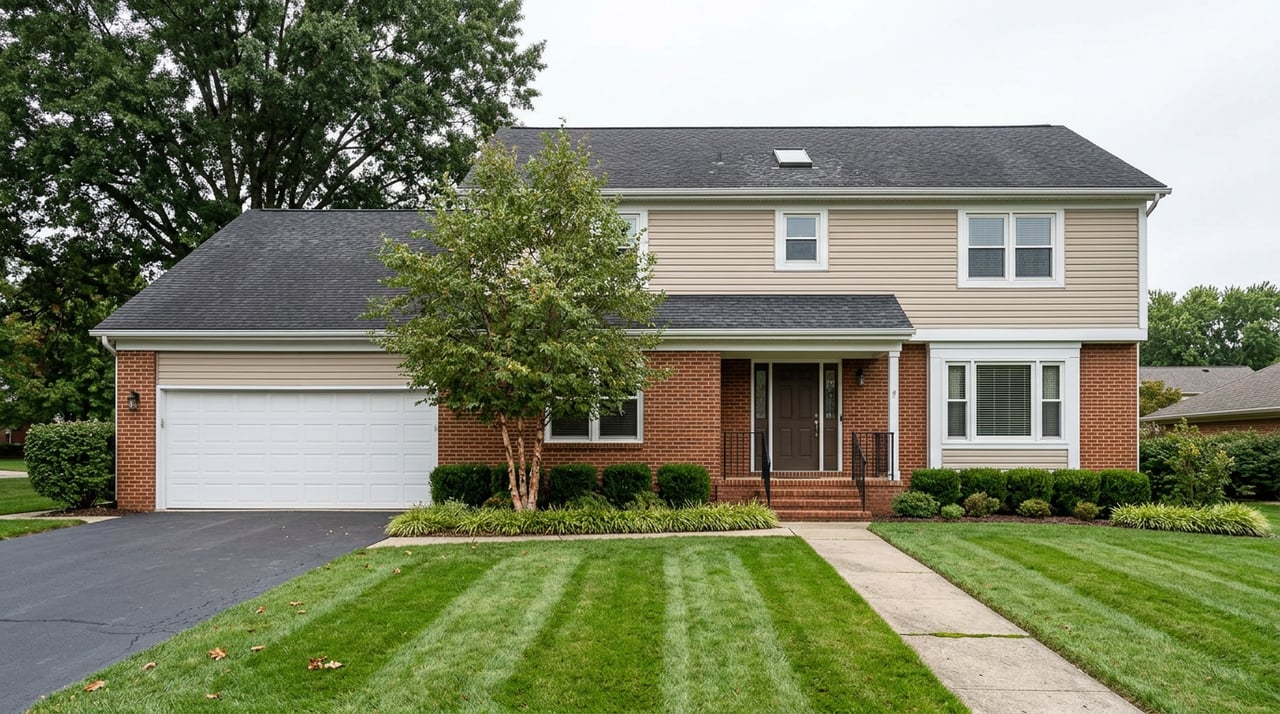
Colonials are also part of the Denville housing mix. In inland neighborhoods, they often fit the classic suburban pattern of single-family homes on more conventional lots. In lake areas, you may also find larger or heavily updated colonials, including some with waterfront positioning.
These homes can appeal if you want more square footage, a traditional two-story layout, or a move-up option within town. Since new residential construction has slowed since 2010, many buyers in this category are comparing resale homes with varying levels of renovation.
Custom lakefront homes
At the upper end of the market, Denville includes custom lakefront homes. These properties stand apart not only because of their setting, but also because shoreline access, views, and lot configuration can shape value in ways that go beyond interior finishes.
If you are comparing lakefront options, it is helpful to look past square footage alone. Association land, frontage, slope, and driveway setup can all influence how a property lives on a daily basis.
Townhomes and attached options
Newer attached-housing product also exists in Denville. These homes are more likely to appear near Route 10 or other convenience-oriented parts of town than in the older lake districts.
For some buyers, townhomes can be a practical match because they offer a different ownership experience than a detached single-family house. They may also provide an alternative path into the market for buyers who want Denville’s location and amenities without taking on a larger property.
How Lots and Setting Affect Value
One of the biggest surprises for buyers in Denville is how much the lot can matter. Township planning and environmental documents note that many older lake homes were first built as vacation properties and later became year-round residences. They also note that topography and steep slopes have influenced development patterns.
That means two homes with similar square footage can feel very different in real life. In some neighborhoods, driveway layout, elevation change, shared association land, or shoreline access may have a major impact on usability. In older lake sections south of Route 46, township planning also notes that most homes have been converted to year-round houses and connected to sewer and water service.
If you are shopping in Denville, it helps to evaluate the site as carefully as the house itself. A beautiful interior matters, but so do the practical details of how you arrive, park, walk the lot, and use the outdoor space.
A Practical Way to Think About Price
Denville offers a wide range of housing types, so pricing tends to follow broad patterns rather than a single rule. Based on the current housing mix described in the research, waterfront and heavily renovated custom homes generally sit at the top of the range. Established inland single-family homes often fall into the middle of the market, while smaller older homes and attached housing can be more accessible entry points.
That is not a formal municipal pricing system, but it is a useful framework as you compare options. If you know your budget, this kind of ladder can help you decide whether to focus on a smaller home in a high-amenity setting, an inland single-family property, or a townhome with a different maintenance profile.
Commute and Convenience in Denville
For many buyers, Denville’s commuter options are a major part of the appeal. NJ Transit serves Denville Station on both the Morris & Essex Line and the Montclair-Boonton Line. Lakeland Bus also serves Denville through Route 46 stops at the Savage Road Park-and-Ride, and NJDOT corridor information describes daily express Lakeland service to the Port Authority Bus Terminal.
Township planning materials also note access via Route 46, Routes 10 and 53, and Interstate 80. In practical terms, that means your neighborhood choice may influence not just home style, but also how easy it feels to connect to trains, bus service, and major roadways.
If commute is high on your list, station-area and corridor-adjacent homes may stand out first. If privacy or a lake setting is more important, you may decide the extra drive is worth it.
School District Structure to Know
Schools are a frequent part of the home search, so it helps to understand the local structure in factual terms. The Denville Township School District serves grades PK through 8 through Lakeview Elementary, Riverview Elementary, and Valleyview Middle School.
The district also notes a flexible attendance zone, meaning some streets may be assigned to either Lakeview or Riverview. For high school, Denville feeds into the Morris Hills Regional High School District, which serves Denville, Rockaway Borough, Rockaway Township, and Wharton.
When you are home shopping, it is wise to confirm school assignment for any specific address directly through the relevant district information. In a town with varied neighborhood patterns, that extra step can help you avoid assumptions.
How to Choose the Right Denville Fit
If you feel torn between neighborhoods, start by thinking about your daily routine rather than just the house photo that catches your eye. Ask yourself whether you want walkability, commuter convenience, association amenities, more conventional suburban streets, or lower-maintenance living.
Then match that answer to the part of Denville most likely to support it:
- Lake communities for association amenities, water-oriented character, and homes with more varied lot conditions
- Downtown and station-area streets for walkability and rail access
- Inland neighborhoods for a more classic suburban single-family feel
- Corridor-adjacent pockets for convenience and a higher chance of attached housing options
This is where neighborhood-level guidance can make a real difference. In a town like Denville, knowing how one street lives compared with another can help you make a much more confident decision.
Whether you are comparing lake neighborhoods, looking for a commuter-friendly street, or preparing to sell a home in Denville, working with a local advisor can help you see the details behind the listing photos. If you want personal guidance tailored to your goals, reach out to Anne Henderson for informed, responsive support in the Denville market.
FAQs
What are the main neighborhood types in Denville?
- Denville is generally shaped by lake communities, downtown and station-area streets, inland hill and suburban neighborhoods, and corridor-adjacent pockets near major roads like Route 46 and Route 10.
Are Denville lake homes used year-round?
- Many lake-community homes that began as vacation properties have become year-round residences, according to township planning documents.
Which Denville lake communities have association amenities?
- Township materials describe amenities in major lake communities such as Indian Lake, Cedar Lake, and Rock Ridge, including features like beaches, clubhouses, sports courts, trails, fishing, and kayaking.
What home styles are common in Denville?
- Common home styles in Denville include ranches, raised ranches, bi-levels, split-levels, colonials, custom lakefront homes, and some newer townhomes.
Which part of Denville is most walkable?
- Township planning materials point to the West Main Street and Broadway area, along with the downtown and station-area streets, as the clearest walkable part of Denville.
Does Denville have commuter rail service?
- Yes. NJ Transit lists Denville Station on both the Morris & Essex Line and the Montclair-Boonton Line.
What school districts serve Denville homes?
- Denville Township School District serves grades PK through 8, and high school students attend the Morris Hills Regional High School District.
Are townhomes available in Denville?
- Yes. Recent township materials indicate that attached-housing and townhome product exists in Denville, especially closer to convenience corridors and newer development pockets.